
Flexspline fatigue is a joint-level risk
Humanoid, quadruped, exoskeleton, and EOAT axes see impact, stall, and emergency-stop events that can exceed a catalog steady torque comparison.
Qualify miniature, compact, and hollow-shaft cycloidal reducers as high-shock harmonic-drive alternatives for humanoid, surgical, exoskeleton, and precision automation axes.
Inquiry Email
Send axis, OD limit, ratio, torque, backlash, CAD need, sample quantity, and destination.
Instant Chat
WhatsApp Engineering Support
Prefilled for robotics reducer routing; drawings can follow by email.

Review cycloidal multi-tooth contact when flexspline fatigue, crash torque, or emergency-stop loads are the failure concern.
Compare ratio, stiffness, no-load torque, and backlash target before locking the actuator envelope or control strategy.
Request drawing or STEP availability with the OD class, peak torque, interface, hollow bore, and prototype plan attached.
Request CAD / STEPHarmonic Drive Failure Modes
Micro cycloidal drives are not positioned as a generic gearbox swap. They are reviewed when compact robot joints need low backlash, high peak-load margin, and a mechanical path that is less exposed to thin flexspline fatigue.
Humanoid, quadruped, exoskeleton, and EOAT axes see impact, stall, and emergency-stop events that can exceed a catalog steady torque comparison.
A low ratio error is not enough. Joint teams need backlash, torsional stiffness, no-load torque, and measurement method in the same evaluation.
Motor pilot, encoder, brake, hollow bore, cable bend radius, output bearing support, and fastener access must be checked before actuator CAD is frozen.
Cycloidal Mechanism Proof
The market research in the requirements points to a trust problem: buyers need to understand why a compact cycloidal reducer can be considered, and what proof must be checked before it replaces a harmonic drive or enters a robot joint.
The input shaft and eccentric bearing move the cycloidal disc off-center, creating the rolling motion that drives reduction.
Pins and cycloidal teeth share load across a wider contact zone, which is why shock-load and stiffness review cannot stop at catalog torque.
Output pins convert the reduced disc motion into usable rotation while preserving compact package dimensions.
Backlash, no-load torque, torsional stiffness, run-in state, and noise should be checked with the same method used for sample acceptance.
Input
Eccentric bearing path
Disc
Cycloidal rolling profile
Output
Pin and flange conversion
Evidence Checklist
| Review Stage | Buyer Question | Evidence to Request |
|---|---|---|
| Geometry route | Are disc profile, pin wheel, eccentric shaft, housing datum, and bearing fit reviewed as one reducer system? | Model-family drawing, critical interface dimensions, tolerance notes, and revision-safe CAD / STEP release path. |
| Material and heat treatment | Which material route applies to this model instead of a generic catalog claim? | Model-specific material option, heat-treatment target, hardness inspection field, and sample-lot record scope. |
| Motion inspection | Which test method proves backlash, stiffness, run-in state, and low-speed smoothness? | Backlash method, no-load torque check, contact or run-in note, noise observation, and buyer acceptance limits. |
| Release package | What can engineering review before freezing a robot joint envelope? | STEP or 2D envelope availability, inspection-data scope, sample acceptance format, NDA needs, and revision control. |
Robotics Product Series
The product path now separates ultra-micro reducers, compact humanoid-class reducers, and hollow-shaft routing designs so engineers can qualify the right mechanical architecture earlier.

Ultra-Micro Series
Built for teams replacing fragile or bulky micro gearheads inside very small robot mechanisms where envelope, repeatability, and assembly tolerance dominate the sourcing decision.
OD <30 mm
Dexterous hands, eye-drive axes, micro surgery tools
Proof to request
Microscopic tooth finish and micro bearing assembly review

Compact Humanoid Series
A robotics-first reducer path for joints that need compact torque density, shock-load resistance, and a practical alternative to harmonic-drive flexspline risk.
OD 30-80 mm
Humanoid knee, elbow, ankle, quadruped leg, QDD actuator
Proof to request
High peak-torque margin with low-backlash qualification path

Hollow Shaft Series
For joints and rotary modules where reduction, cable pass-through, and output support must be solved in the same package instead of added as separate assemblies.
Center through hole
Cable routing, robot wrists, rotary stages, tooling heads
Proof to request
Hollow bore, bolt circle, flange height, and bearing support review
Reference Model Snapshot
Use these values to decide whether a micro cycloidal path deserves CAD review. Final dimensions, drawing availability, and acceptance evidence are confirmed during RFQ.
Compact humanoid wrist, elbow, inspection, and light robot axes
OD: 40 mm
Ratio: 21:1, 41:1
Rated: 15 Nm
Peak: 45 Nm
Backlash: <= 1 arcmin
Weight: 0.42 kg
Humanoid elbow/knee, quadruped joints, compact QDD actuators
OD: 79 mm
Ratio: 21:1, 41:1, 61:1
Rated: 50 Nm
Peak: 150 Nm
Backlash: <= 1 arcmin
Weight: 0.85 kg
High-load humanoid, exoskeleton, and compact robot joint axes
OD: 107 mm
Ratio: 21:1, 31:1, 41:1, 51:1, 81:1
Rated: 110 Nm
Peak: 330 Nm
Backlash: <= 1 arcmin
Weight: 2 kg
| Model | OD | Ratio | Rated / Peak | Backlash | Stiffness | No-load | Weight | Best Fit |
|---|---|---|---|---|---|---|---|---|
| WF07 / MC-40 | 40 mm | 21:1, 41:1 | 15 Nm / 45 Nm | <= 1 arcmin | 1.1 Nm/arcmin | 0.12 Nm | 0.42 kg | Compact humanoid wrist, elbow, inspection, and light robot axes |
| WF17 / MC-79 | 79 mm | 21:1, 41:1, 61:1 | 50 Nm / 150 Nm | <= 1 arcmin | 6 Nm/arcmin | 0.21 Nm | 0.85 kg | Humanoid elbow/knee, quadruped joints, compact QDD actuators |
| WF25 / MC-107 | 107 mm | 21:1, 31:1, 41:1, 51:1, 81:1 | 110 Nm / 330 Nm | <= 1 arcmin | 24 Nm/arcmin | 0.47 Nm | 2 kg | High-load humanoid, exoskeleton, and compact robot joint axes |
Product capability
Compare micro, compact, hollow-shaft, flat, low-backlash, and component-level cycloidal formats before opening a quote thread.
Compare productsCustom range
Review output flange, input coupling, housing, hollow bore, lubrication, sealing, and inspection record needs early.
Review DFM supportValidation path
Set pass/fail checks for backlash, noise, run-in, interface fit, duty cycle, and revision feedback before samples ship.
Plan validationBatch readiness
Align drawing revision, control records, packaging, labels, Incoterm, destination, and rolling forecast before volume release.
Check supply controlsProduct Capability
Use this entry point to compare package size, torque margin, backlash target, interface risk, sample evidence, and repeat-order control before opening a detailed inquiry.
Best for robotics and medical-device engineering teams trying to keep torque, backlash, and package size inside very small mechanisms.
Envelope class
OD <30 mm, including selected 12-15 mm concepts
Best for robot OEMs evaluating compact high-shock alternatives to harmonic drives in actuator-level joint designs.
Outer diameter class
OD 30-80 mm robotics joint path
Best for OEM teams replacing bulky gearheads in tight envelopes.
Ratio range
Project-dependent custom range

Best for machine builders that need a compact reducer sourced by specification.
Rated torque
Matched by size and duty cycle
Reducer Program Support
Move from product family selection to samples and repeat supply with clearer engineering checkpoints.
Shortlist micro, compact, hollow-shaft, flat, low-backlash, and component-level cycloidal reducer paths by machine constraint.
Review ratio, flange, shaft or hollow bore, motor input, housing envelope, lubrication, and required records before sample release.
Align backlash, noise, run-in, fit, visual inspection, and report expectations with the buyer test plan.
Connect approved samples to drawing revision control, packaging, export documents, forecast cadence, and shipment terms.
Engineering Evidence Buyers Can Request
For custom compact cycloidal reducer projects, useful proof is not a generic catalog claim. The RFQ should tie each target to the measurement method, drawing revision, and batch record.
Defined
Record target backlash, measurement direction, output load condition, and acceptance method before sample quotation.
Measured
Align run-in duration, lubricant condition, noise observation, and temperature limits before approving a prototype.
Traceable
Keep CTQ dimensions, interface revisions, inspection fields, packaging labels, and shipment documents connected to the batch.

Manufacturing Proof
High-precision robot joints need more than a catalog claim. Manufacturing review should connect tooth profile, materials, bearing fit, inspection method, and final backlash evidence.
Discuss wire EDM / slow-wire, 5-axis CNC, coordinate grinding, and critical-to-quality dimensions for cycloidal discs, pin wheel, eccentric shaft, housing, and flange interfaces.
Review GCr15 or 20CrMnTi material options, 60-62 HRC targets where applicable, bearing fit, tooth contact, and lubrication assumptions before samples.
Backlash, contact pattern, run-in, noise, CMM or critical dimension records, and outgoing inspection fields can be aligned to the buyer validation plan.
Customization Range
Custom reducer work is useful only when the scope is specific. These are the areas engineering teams usually need to close before samples or production release.
Quality Control
Revision, critical dimensions, interface drawings, and acceptance rules are frozen before sample or batch build.
Backlash, run-in, noise, fit, and visual inspection points can be aligned to the buyer validation plan.
Repeat orders are tied to drawing revision, control records, packaging requirements, and forecast cadence.
Destination, Incoterm, labeling, corrosion protection, and document requirements are reviewed before shipment.
Sample to Batch Path
Buyers usually need more than a price. They need to know what gets reviewed, what evidence ships with samples, and what must be frozen before batch orders.
Initial engineering review
Screen reducer family, ratio, torque, envelope, drawing status, and missing data before the quote is treated as firm.
Prototype scope and records
Agree sample quantity, acceptance criteria, inspection records, packaging, and feedback loop before manufacturing starts.
Buyer test plus supplier review
Use measured backlash, noise, temperature, fit, and duty feedback to close revisions instead of repeating quote loops.
Forecast and release control
Lock BOM, drawing revision, control plan, lead-time assumptions, shipment terms, and repeat-order communication.
Typical Applications
The right reducer path changes by duty profile, operating environment, backlash sensitivity, available space, and buyer-side validation method.
Best for robot OEM engineers and sourcing teams comparing harmonic drives against compact cycloidal reducers before actuator CAD and validation plans are frozen.
Key check: Shock-load margin
Harmonic-drive concerns usually appear when a thin flexspline is exposed to repeated shock or overload events that were not visible in steady torque sizing.
Best for humanoid robot OEM engineers deciding whether a compact cycloidal reducer can replace or de-risk harmonic-drive joints before prototype actuator release.
Key check: Axis torque window
Humanoid projects often need different reducer sizes for wrist, elbow, knee, ankle, and hip axes instead of one universal joint part.
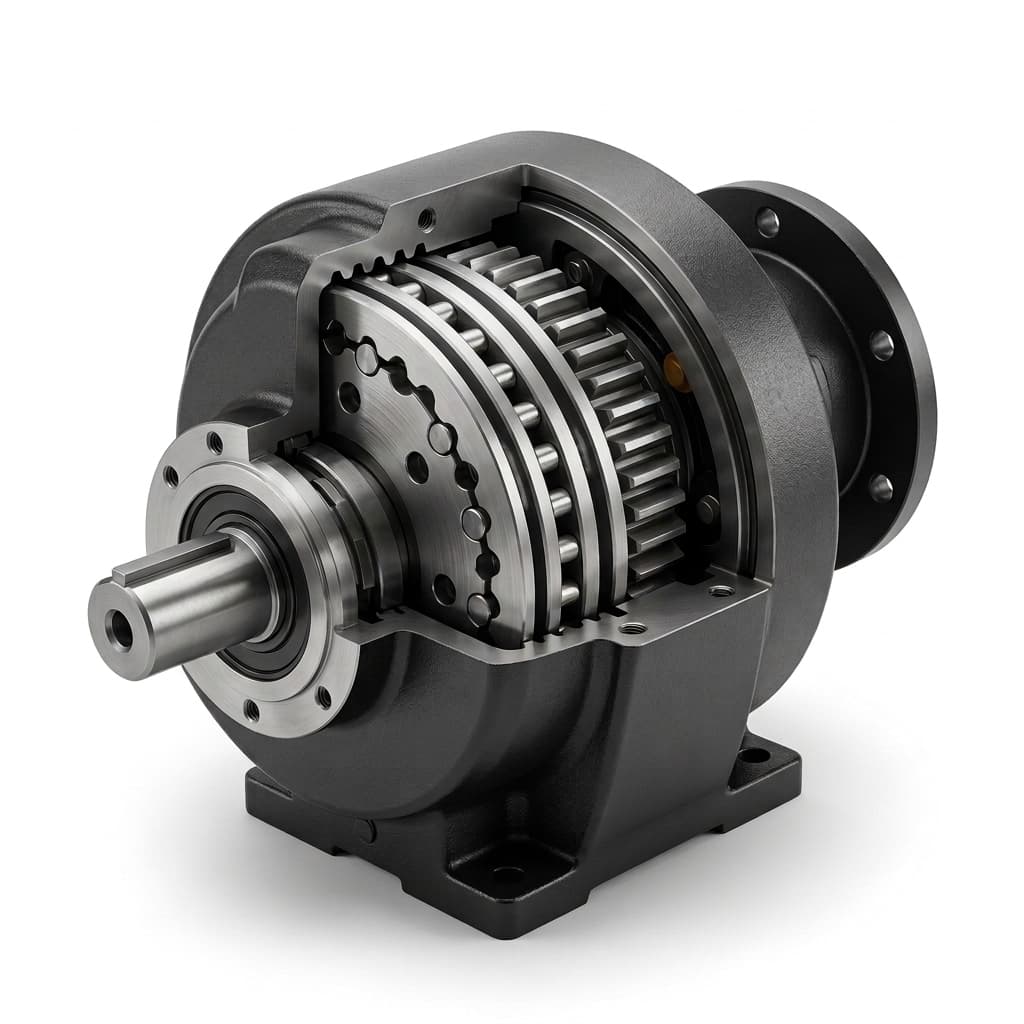
Best for quadruped and legged-robot OEM teams that need high shock-load margin without losing compact actuator packaging.
Key check: Landing shock case
Legged robots damage reducers during transient events that can be invisible in average walking torque.

Best for wearable robotics, rehabilitation, and industrial exoskeleton engineers balancing compact torque density with user comfort and validation evidence.
Key check: Wearable mass budget
A reducer that is acceptable on a bench can be rejected when joint mass and comfort are checked on a human-worn device.
Product Selection Snapshot
This matrix gives engineers, sourcing teams, and distributors a fast view of which family deserves deeper review before a detailed RFQ.
Best for robotics and medical-device engineering teams trying to keep torque, backlash, and package size inside very small mechanisms.
Key Metric
Envelope class: OD <30 mm, including selected 12-15 mm concepts
Why It Matters
Ultra-micro projects fail early when reducer size is chosen after the surrounding joint envelope is fixed.
Best for robot OEMs evaluating compact high-shock alternatives to harmonic drives in actuator-level joint designs.
Key Metric
Outer diameter class: OD 30-80 mm robotics joint path
Why It Matters
Humanoid and quadruped joints are usually envelope-limited before they are catalog-limited.
Best for OEM teams replacing bulky gearheads in tight envelopes.
Key Metric
Ratio range: Project-dependent custom range
Why It Matters
Ratio determines output speed, torque multiplication, and package size.
Best for machine builders that need a compact reducer sourced by specification.
Key Metric
Rated torque: Matched by size and duty cycle
Why It Matters
Correct continuous torque avoids thermal overload and premature wear.
Best for buyers that need reduction and through-routing in one compact package.
Key Metric
Hollow bore: Sized by cable route and torque class
Why It Matters
Bore size strongly affects reducer diameter, stiffness, and cost.

Best for engineers comparing cycloidal, harmonic, and planetary reducer tradeoffs.
Key Metric
Backlash target: Application-specific precision grade
Why It Matters
Backlash is the key sourcing filter for precision positioning projects.

Best for OEM buyers with drawings, target specs, and a defined production plan.
Key Metric
Customization scope: Interface-only to full reducer package
Why It Matters
Scope defines engineering workload, tooling risk, and sample timeline.
Best for equipment designers struggling with axial length constraints in their drive train.
Key Metric
Axial length: Application-specific ultra-slim profiles
Why It Matters
Minimizing axial length allows more compact machine design or larger battery space in AGVs.

Best for advanced machine builders who want to eliminate the gearbox housing and mount gears directly into their frame.
Key Metric
Integration depth: Component-level supply (disc, pin wheel, shaft)
Why It Matters
Component-level integration saves weight and space but shifts housing machining responsibility to the buyer.
| Image | Family | Best Fit | Key Metric | Why It Matters |
|---|---|---|---|---|
| Ultra-Micro Cycloidal Reducer | Best for robotics and medical-device engineering teams trying to keep torque, backlash, and package size inside very small mechanisms. | Envelope class: OD <30 mm, including selected 12-15 mm concepts | Ultra-micro projects fail early when reducer size is chosen after the surrounding joint envelope is fixed. |
| Compact Humanoid Cycloidal Reducer | Best for robot OEMs evaluating compact high-shock alternatives to harmonic drives in actuator-level joint designs. | Outer diameter class: OD 30-80 mm robotics joint path | Humanoid and quadruped joints are usually envelope-limited before they are catalog-limited. |
| Micro Cycloidal Reducer | Best for OEM teams replacing bulky gearheads in tight envelopes. | Ratio range: Project-dependent custom range | Ratio determines output speed, torque multiplication, and package size. |
| Compact Cycloidal Gearbox | Best for machine builders that need a compact reducer sourced by specification. | Rated torque: Matched by size and duty cycle | Correct continuous torque avoids thermal overload and premature wear. |
| Hollow Shaft Cycloidal Reducer | Best for buyers that need reduction and through-routing in one compact package. | Hollow bore: Sized by cable route and torque class | Bore size strongly affects reducer diameter, stiffness, and cost. |
| Low Backlash Cycloidal Drive | Best for engineers comparing cycloidal, harmonic, and planetary reducer tradeoffs. | Backlash target: Application-specific precision grade | Backlash is the key sourcing filter for precision positioning projects. |
| Custom Cycloidal Reducer | Best for OEM buyers with drawings, target specs, and a defined production plan. | Customization scope: Interface-only to full reducer package | Scope defines engineering workload, tooling risk, and sample timeline. |
| Flat Cycloidal Reducer | Best for equipment designers struggling with axial length constraints in their drive train. | Axial length: Application-specific ultra-slim profiles | Minimizing axial length allows more compact machine design or larger battery space in AGVs. |
| Cycloidal Drive Components | Best for advanced machine builders who want to eliminate the gearbox housing and mount gears directly into their frame. | Integration depth: Component-level supply (disc, pin wheel, shaft) | Component-level integration saves weight and space but shifts housing machining responsibility to the buyer. |
CAD / STEP Data Pack
Start here when your team is still choosing between ultra-micro, compact humanoid, hollow-shaft, or custom reducer paths. Share the target axis, OD limit, torque, ratio, backlash, and interface constraints so engineering can route the request to the closest released drawing or sample data pack.
Confirm released model files, closest reference family, and file-release constraints before CAD freeze.
Align motor pilot, output flange, hollow bore, cable route, bolt circle, and axial envelope early.
Request backlash method, run-in note, inspection fields, and sample acceptance data for the selected family.
Inquiry Email
Best for sending NDA terms, drawings, or a specification sheet.
Instant Chat
WhatsApp Engineering Support
Best for quick model availability and file-release checks.
Submit the minimum engineering context needed for model-file screening and revision-safe follow-up.
Inquiry Parameters
A useful inquiry does not need a finished drawing, but it should include enough operating, interface, and commercial context to avoid vague pricing and repeated follow-up loops.
Engineering Support
Engineering pre-check support for custom cycloidal reducer drawings, envelopes, load cases, and interface risks.
Sample planning, acceptance criteria, and inspection record support for cycloidal reducer prototype programs.
Process checkpoints, packaging, shipment coordination, and document planning for repeat cycloidal reducer orders.
Practical sizing frameworks, validation checklists, and sourcing notes for compact cycloidal reducer projects.
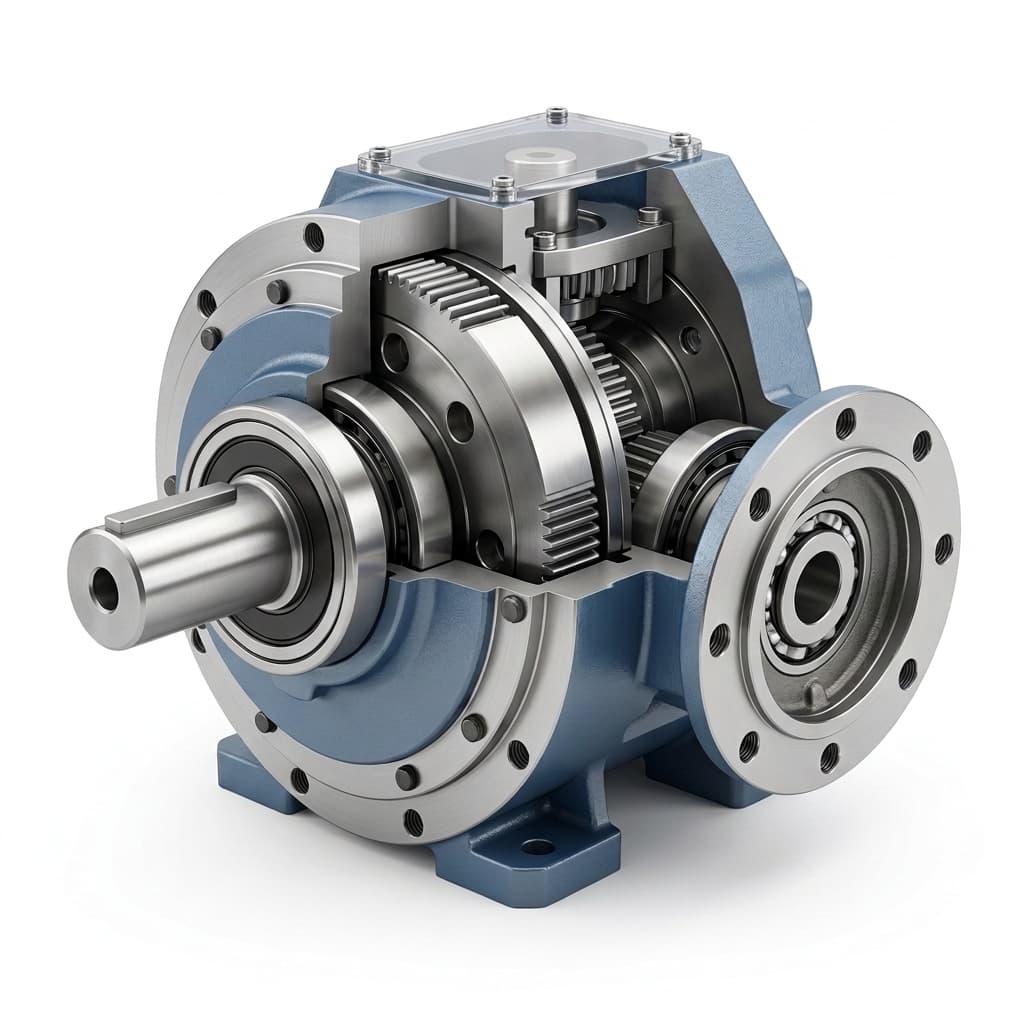
A highly technical sizing guide for OEM engineers selecting cycloidal reducers for Automated Guided Vehicles (AGVs). Includes torque formulas, radial load calculations, and duty cycle analysis.

An engineering comparison between cycloidal reducers and planetary gearboxes, covering backlash, torsional stiffness, load path, package size, and shock-load review.
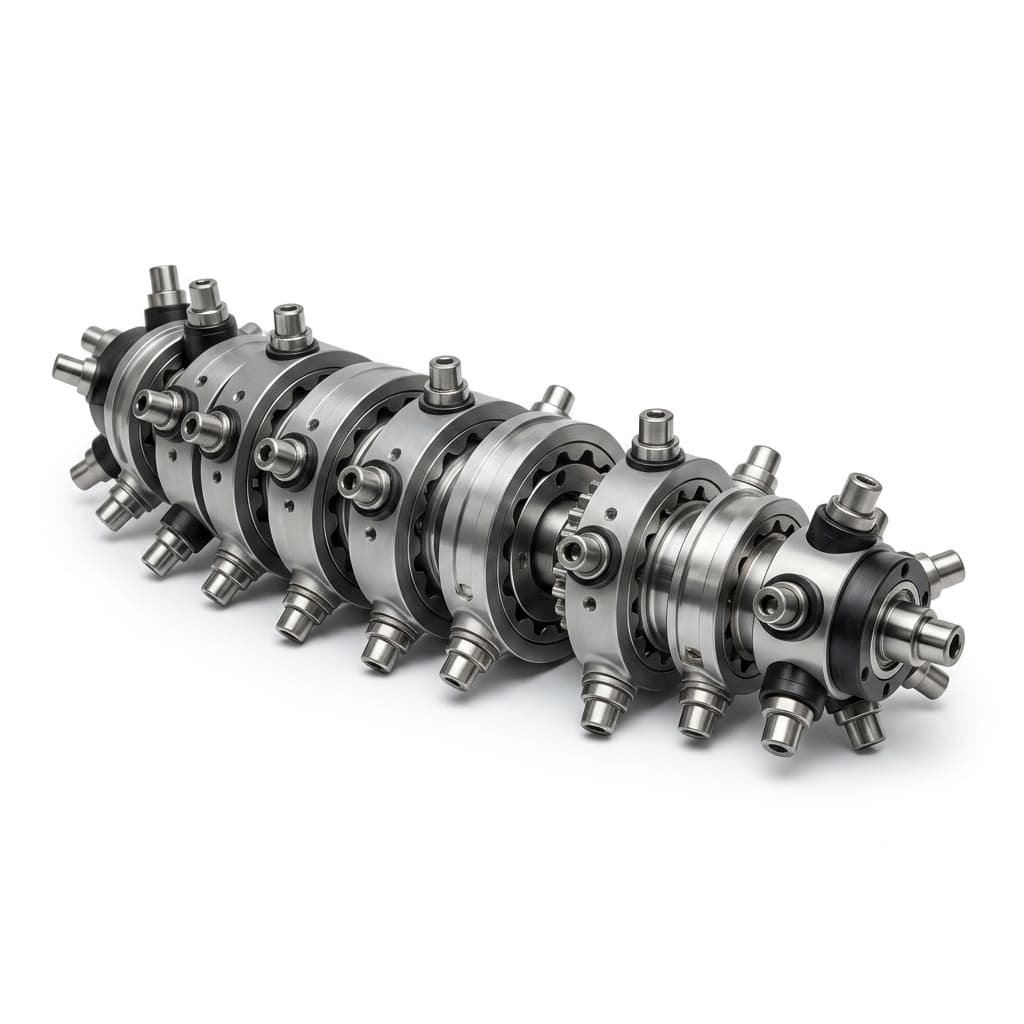
A technical exploration of how low backlash is specified and verified, comparing cycloidal preload with harmonic and planetary gearbox tradeoffs.
FAQ
Share application, ratio, torque, backlash, interface drawings, quantity, and timeline so engineering can return a practical next step.
Inquiry Email
Include ratio, torque, backlash, interface drawings, quantity plan, and destination terms.
Instant Chat
WhatsApp Engineering Support
Use chat for quick routing; drawings and technical details can move to email.