
Gate 01
Axis load map
Separate each humanoid axis by payload, link length, rated torque, peak torque, and fall or crash event.
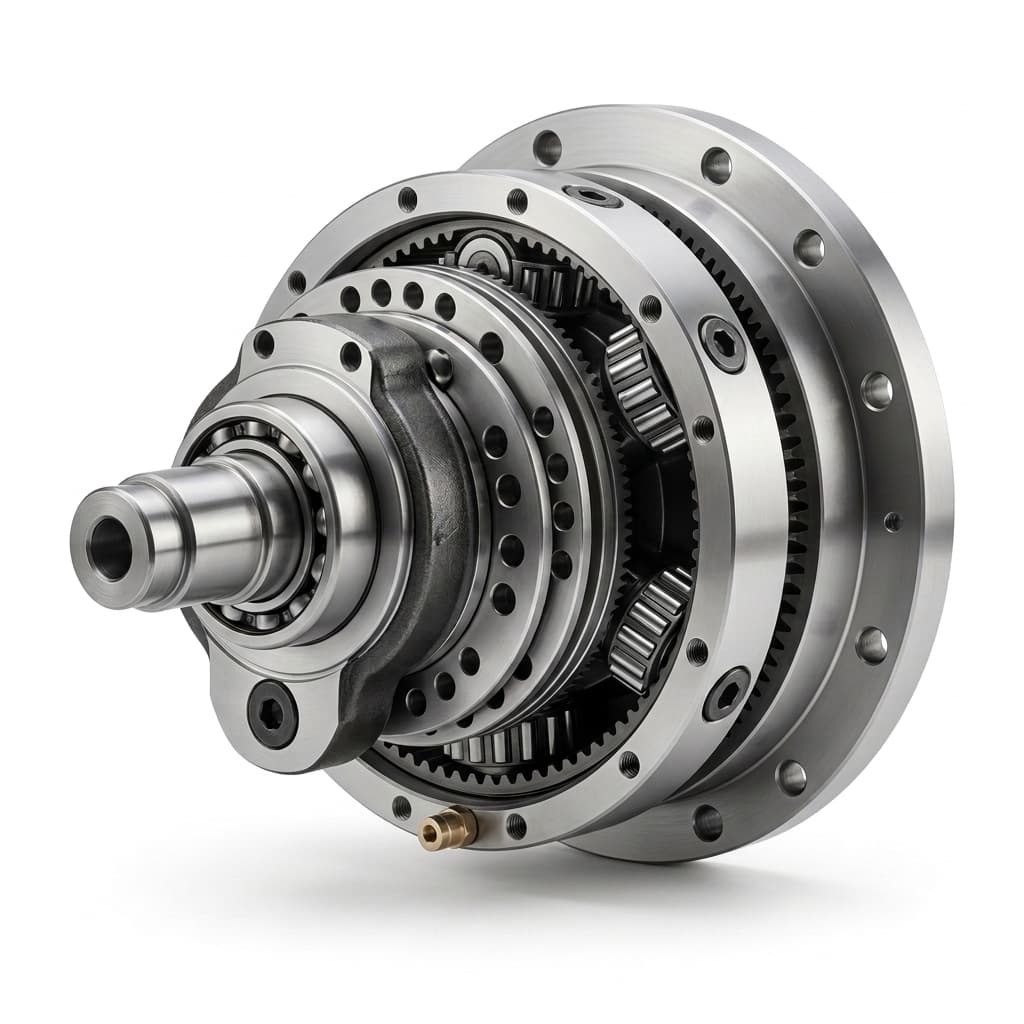
Cycloidal reducer review path for humanoid knee, elbow, ankle, wrist, and QDD actuator joints that need compact torque density, low backlash, and fall-load margin.
| Evaluation Metric | Typical Range | Buyer Relevance |
|---|---|---|
| Axis torque window | MC-40 to MC-107 reference path for selected humanoid axes | Humanoid projects often need different reducer sizes for wrist, elbow, knee, ankle, and hip axes instead of one universal joint part. |
| Fall-load margin | Peak, stumble, crash, and emergency-stop events reviewed separately from walking torque | Reducer damage risk usually appears when fall or collision loads are hidden behind an average gait duty cycle. |
| Actuator stack height | Reducer, motor, brake, encoder, bearing, cable route, and fastener access checked in CAD | A technically suitable reducer can still fail the design if QDD stack height or service access is reviewed too late. |
Humanoid Joint Package
Humanoid teams usually evaluate several reducer sizes across the same platform. The review should separate wrist, elbow, knee, ankle, hip, and torso loads instead of forcing one catalog part into every joint.
| Axis / Module | Sizing Driver | Integration Review | Buyer Evidence |
|---|---|---|---|
| Wrist / elbow | Compact OD, low backlash, low no-load torque, cable route, and encoder clearance. | Check MC-40 / compact class fit against motor pilot, brake stack, output support, and fastener access. | Backlash method, smoothness, reflected inertia, and settling behavior after run-in. |
| Knee / ankle | Peak torque, fall-load case, torsional stiffness, and package height inside the limb shell. | Review MC-79 / MC-107 class options with output bearing support, brake clearance, and joint housing stiffness. | Fall or emergency-stop load assumption, measured backlash, stiffness target, and temperature observation. |
| Hip / torso compact axis | Higher moment load, cable routing, actuator service access, and packaging around structure. | Compare compact and hollow-shaft layouts before housing, cable bundle, and output flange are finalized. | CAD interference result, moment-load assumption, assembly access note, and inspection record format. |
Gate 01
Separate each humanoid axis by payload, link length, rated torque, peak torque, and fall or crash event.
Gate 02
Check reducer, motor, brake, encoder, bearing, cable route, and fasteners together in CAD.
Gate 03
Define backlash, stiffness, no-load torque, run-in, noise, and joint settling acceptance before samples.
| Decision Point | Choose When | Verify Before Quote | Next Internal Step |
|---|---|---|---|
| Axis torque window is the first sourcing filter | Best for humanoid robot OEM engineers deciding whether a compact cycloidal reducer can replace or de-risk harmonic-drive joints before prototype actuator release. Use this path when axis torque window (MC-40 to MC-107 reference path for selected humanoid axes) is more important than starting from a generic gearbox size. | Humanoid projects often need different reducer sizes for wrist, elbow, knee, ankle, and hip axes instead of one universal joint part. Include humanoid axis list, payload, link length, rated torque, peak torque, and fall-load assumption in the first RFQ packet. | Compare Application Solutions |
| Mechanical interface risk is visible early | Map each humanoid axis by rated torque, peak torque, fall event, emergency-stop case, and expected joint speed. | Sizing from steady walking torque only: Separate walking, acceleration, fall, crash, stall, and emergency-stop torque before reducer shortlist. | Send RFQ Package |
| Sample acceptance must be measurable | Use prototype planning when fall-load margin must be confirmed against buyer-side machine tests. | QDD stack conflict: Share motor, brake, encoder, output bearing, and housing CAD before actuator package freeze. | Plan Prototype Validation |
| Phase | Engineering / QC Checkpoint | Buyer Output |
|---|---|---|
| Requirement baseline | Humanoid axis list, payload, link length, rated torque, peak torque, and fall-load assumption; Candidate OD class, axial length limit, motor drawing, brake and encoder stack height. Confirm drawing revision, quantity, destination, and timeline in the same packet. | A quote-ready RFQ sheet that separates required performance from preferred options. |
| Engineering fit review | Map each humanoid axis by rated torque, peak torque, fall event, emergency-stop case, and expected joint speed. Review motor pilot, brake stack, encoder clearance, output bearing support, cable route, and axial height as one actuator package. Record open issues before sample cost and lead time are frozen. | A reducer shortlist and issue log for Humanoid Robot Joint Cycloidal Reducer. |
| Prototype or incoming validation | Measure axis torque window and fall-load margin against the agreed method. Separate walking, acceleration, fall, crash, stall, and emergency-stop torque before reducer shortlist. | Inspection and test evidence with pass/fail limits, measured values, and revision actions. |
| Batch control and export readiness | QDD stack conflict: tie the control plan to outgoing inspection, packaging, labeling, and shipment records. | Repeat-order package covering drawing baseline, CTQ records, packaging rules, forecast, and Incoterm. |
Manufacturing Evidence Pack
Use this pack to compare application risk, sample checks, and factory records before treating a cycloidal reducer as a harmonic-drive alternative or a robot-joint candidate.
Scope
Application evidence path
Source
/solutions/humanoid-robot-joint-cycloidal-reducer
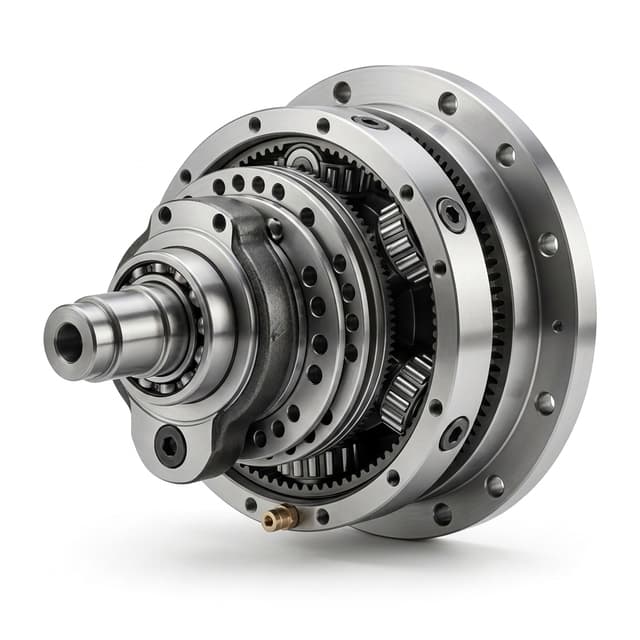
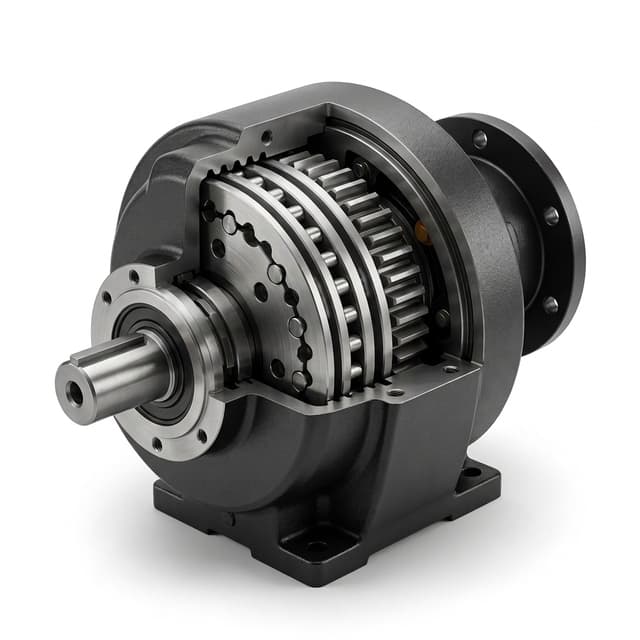
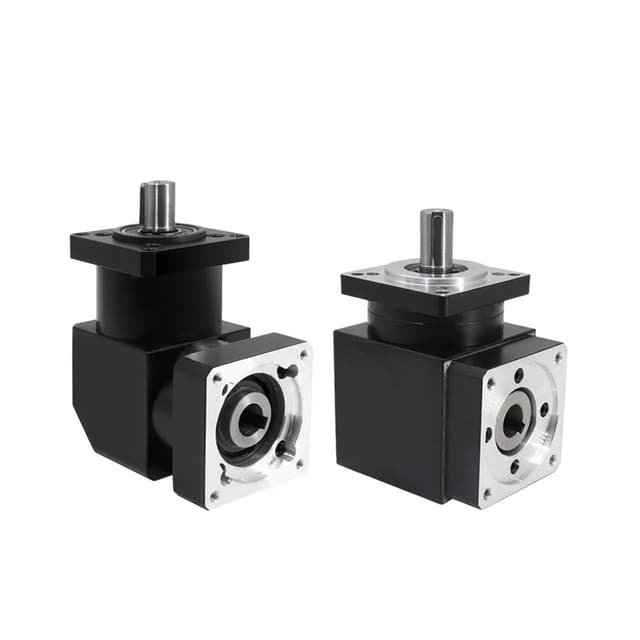
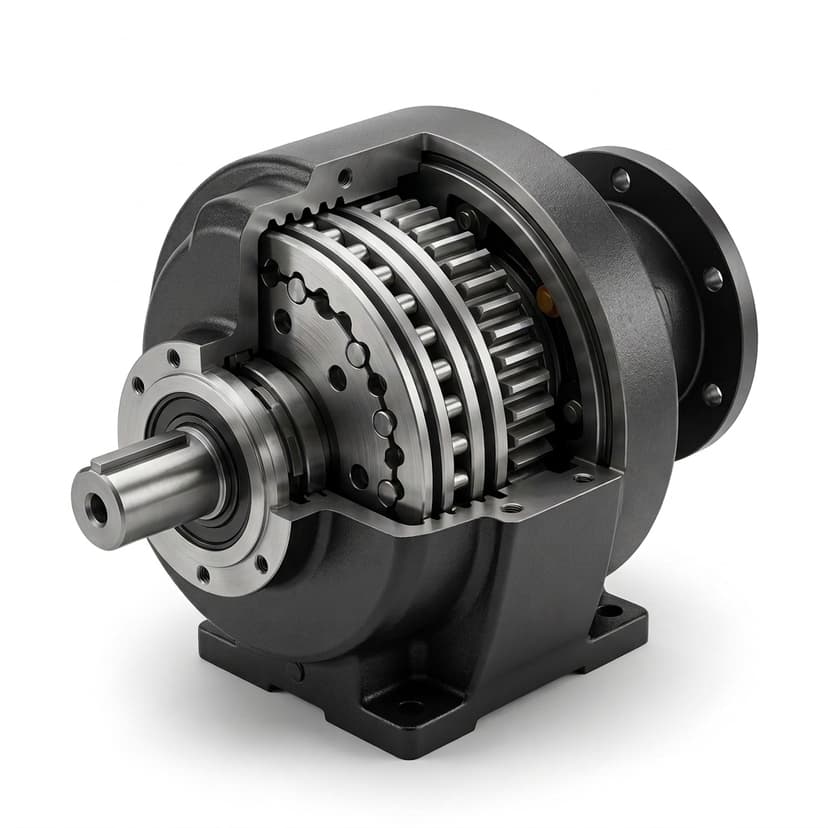
These images support product recognition and envelope review. They are not inspection reports, certificates, or measured test results.
Buyer Review
Tooth profile, pin wheel, eccentric shaft, housing datum, bearing fit, and output interface reviewed as one reducer system.
Artifact to Request
Process photos, CTQ dimension list, approved 2D drawing, CMM or critical-dimension record when available.
Release Status
Requires model-family approval
Buyer Review
Which material route and hardness target apply to this model instead of a generic catalog claim.
Artifact to Request
Material route note, heat-treatment target, hardness inspection field, and sample-lot traceability scope.
Release Status
Do not assume one route for every model
Buyer Review
Backlash method, run-in state, no-load torque, stiffness expectation, noise observation, and smooth low-speed motion.
Artifact to Request
Backlash measurement method, sample acceptance table, no-load torque check, run-in note, and buyer limits.
Release Status
Needs measured sample data
Buyer Review
Envelope, motor pilot, hollow bore, output flange, fastener access, tolerances, and NDA needs before STEP release.
Artifact to Request
Closest reference STEP or PDF, revision note, restricted-drawing release rule, and engineering contact path.
Release Status
Released by engineering check
Buyer Review
Inspection fields, packing method, destination paperwork, batch labeling, sample scope, and repeat-order controls.
Artifact to Request
Outgoing QC checklist, packaging/export record example, batch traceability field, and approved shipping constraints.
Release Status
Align before PO
| Evidence Area | Buyer Review | Artifact to Request | Release Status |
|---|---|---|---|
| Machining route | Tooth profile, pin wheel, eccentric shaft, housing datum, bearing fit, and output interface reviewed as one reducer system. | Process photos, CTQ dimension list, approved 2D drawing, CMM or critical-dimension record when available. | Requires model-family approval |
| Material and heat treatment | Which material route and hardness target apply to this model instead of a generic catalog claim. | Material route note, heat-treatment target, hardness inspection field, and sample-lot traceability scope. | Do not assume one route for every model |
| Backlash and motion check | Backlash method, run-in state, no-load torque, stiffness expectation, noise observation, and smooth low-speed motion. | Backlash measurement method, sample acceptance table, no-load torque check, run-in note, and buyer limits. | Needs measured sample data |
| Drawing and revision control | Envelope, motor pilot, hollow bore, output flange, fastener access, tolerances, and NDA needs before STEP release. | Closest reference STEP or PDF, revision note, restricted-drawing release rule, and engineering contact path. | Released by engineering check |
| Outgoing QC and export pack | Inspection fields, packing method, destination paperwork, batch labeling, sample scope, and repeat-order controls. | Outgoing QC checklist, packaging/export record example, batch traceability field, and approved shipping constraints. | Align before PO |
No certificate or test result should be displayed until approved. Keep the page useful by showing the review path, then attach real evidence during RFQ or after factory approval.
CAD / STEP Data Pack
Use this application package request when your team needs a model file, envelope drawing, or engineering data before committing layout space. We verify the target family, revision, and release constraints first so buyers do not design around the wrong CAD file.
Confirm released model files, closest reference family, and file-release constraints before CAD freeze.
Align motor pilot, output flange, hollow bore, cable route, bolt circle, and axial envelope early.
Request backlash method, run-in note, inspection fields, and sample acceptance data for the selected family.
Inquiry Email
Best for sending NDA terms, drawings, or a specification sheet.
Instant Chat
+8618857971991
Best for quick model availability and file-release checks.
Submit the minimum engineering context needed for model-file screening and revision-safe follow-up.
Application RFQ
Include the machine module, duty profile, ratio, torque, backlash, interface limits, and validation plan so engineering can respond against the real application risk.
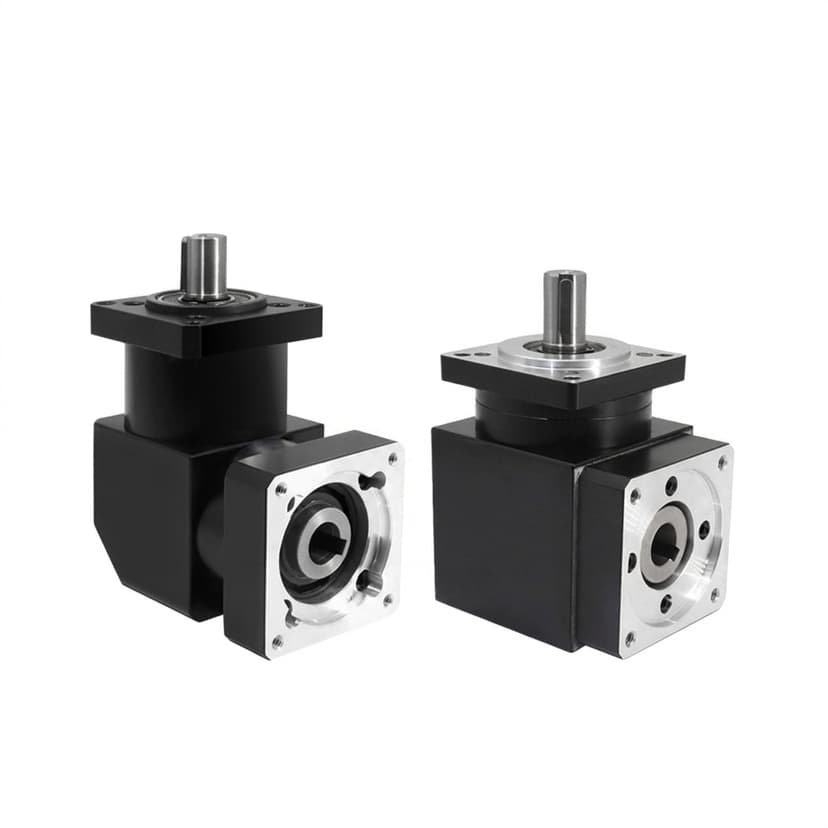
Knee, elbow, ankle, wrist, and selected hip or torso axes are common starting points because compact torque density and fall-load margin are both critical.
No. The primary offer is reducer sourcing and OEM reducer customization. The actuator package is reviewed so the reducer fits the motor, brake, encoder, cable route, and output support.
Ask for drawing fit review, backlash method, peak-load assumptions, material and heat-treatment route, inspection records, run-in notes, and sample acceptance criteria.
Program Route
Humanoid Robot Joint Cycloidal Reducer defines the use-case risk. The next step is to connect it to the reducer family, drawing request, DFM review, and validation records.
Check reducer architecture, model family, envelope class, and CAD availability before the quote is treated as final.
Review the machine or robot axis context so torque, shock, backlash, stiffness, and validation risk stay tied to real use.
Move from fit review into DFM, sample validation, inspection records, packaging, and repeat-order control.
Use these links when the buyer is ready to send requirements, compare directories, or review sourcing guidance.
Inquiry Email
Include ratio, torque, backlash, interface drawings, quantity plan, and destination terms.
Instant Chat
+8618857971991
Use chat for quick routing; drawings and technical details can move to email.