
Gate 01
Current harmonic baseline
Capture the installed harmonic model, ratio, package limits, backlash target, and exact concern mode before proposing a reducer family.
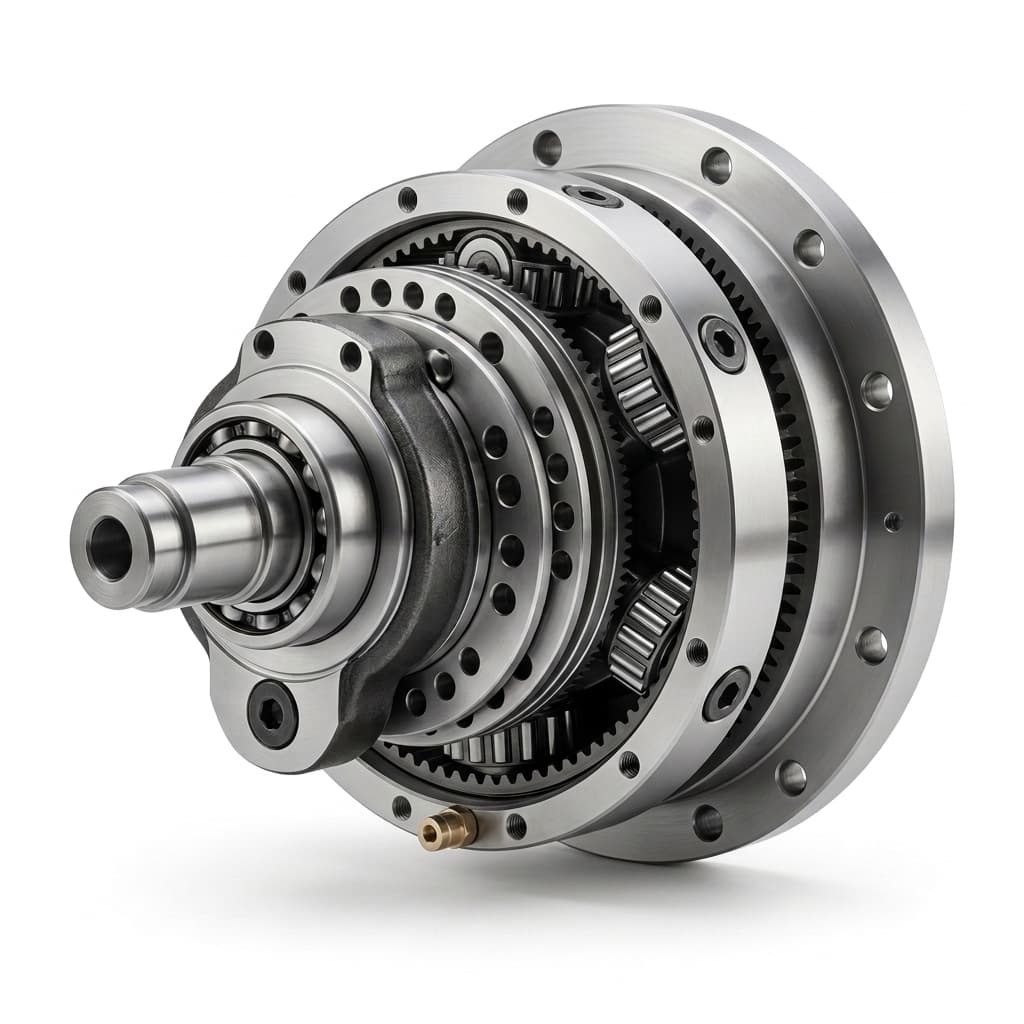
Cycloidal reducer qualification path for robot joints where harmonic-drive flexspline fatigue, shock-load margin, stiffness, and low-backlash validation must be compared before actuator freeze.
| Evaluation Metric | Typical Range | Buyer Relevance |
|---|---|---|
| Shock-load margin | Peak torque, stall, stumble, crash, and emergency-stop cases reviewed separately | Harmonic-drive concerns usually appear when a thin flexspline is exposed to repeated shock or overload events that were not visible in steady torque sizing. |
| Low-backlash class | <= 1 arcmin reference target where applicable | A replacement path must preserve positioning behavior; lower backlash without sufficient stiffness or smoothness evidence is not enough. |
| Actuator envelope | OD 30-80 mm robotics path plus selected hollow or compact layouts | Robot joints often reject an otherwise suitable reducer when cable route, brake, encoder, output bearing, or fastener clearance is checked late. |
Replacement Qualification
Harmonic-drive replacement succeeds when the comparison is built around the real joint risk: flexspline fatigue, shock events, backlash drift, stiffness, no-load torque, and actuator package constraints.
| Harmonic-Drive Concern | What to Compare | Cycloidal Review Path | Buyer Evidence |
|---|---|---|---|
| Flexspline fatigue or tooth damage after shock events | Peak torque, stall torque, stumble/collision events, emergency-stop cases, and repeated overload count. | Review compact cycloidal peak-load margin, output support, material route, and run-in inspection plan. | Current harmonic model, failure photos if available, duty profile, and acceptance test method. |
| Backlash drift or insufficient joint stiffness | Backlash method, torsional stiffness, no-load torque, settling behavior, and servo tuning limits. | Use low-backlash class, stiffness assumptions, no-load torque expectation, and sample measurement plan together. | Backlash target, stiffness target, payload offset, controller constraints, and repeatability requirement. |
| Actuator envelope conflict during replacement | Outer diameter, axial length, motor pilot, brake, encoder, cable route, hollow bore, and fastener access. | Pre-check compact and hollow-shaft cycloidal layouts against CAD before prototype selection. | STEP/PDF actuator envelope, motor drawing, output interface, and cable-routing limits. |
| Catalog comparison ignores validation cost | Sample quantity, inspection records, acceptance gates, production forecast, and revision loop ownership. | Freeze sample acceptance criteria before PO so the alternative path can be judged by measured reducer behavior. | Prototype timeline, test fixture plan, annual forecast, and required inspection record format. |
Gate 01
Capture the installed harmonic model, ratio, package limits, backlash target, and exact concern mode before proposing a reducer family.
Gate 02
Compare shock events, stiffness, no-load torque, output support, and envelope conflicts instead of ratio and OD alone.
Gate 03
Define backlash method, run-in, noise, temperature, fit, and joint-level tests before releasing samples.
Mechanism and Replacement Evidence
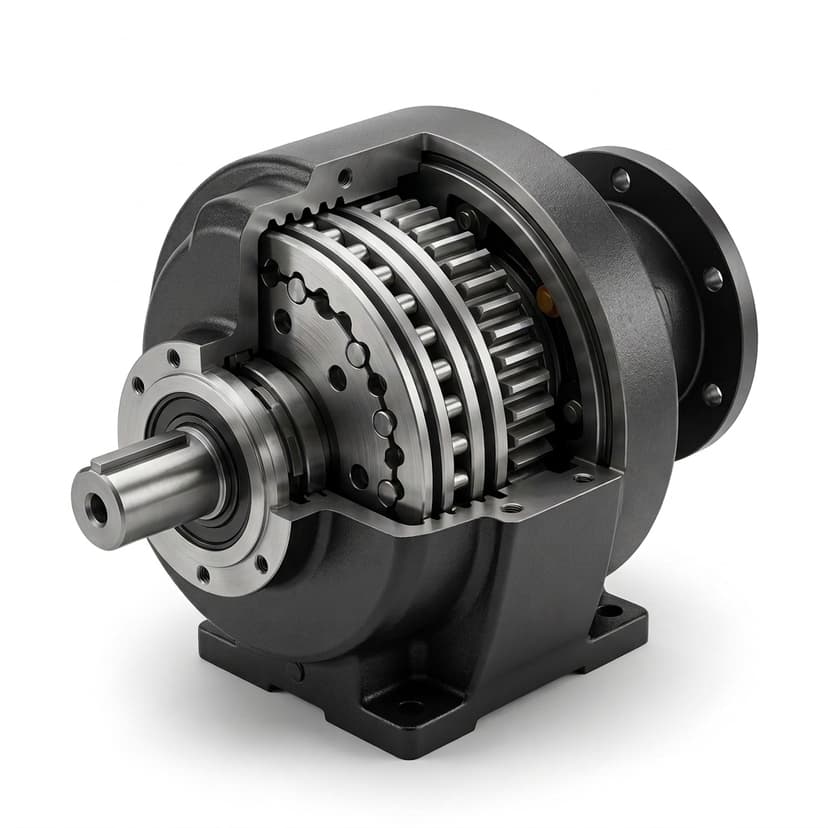
For harmonic-drive alternatives, the useful comparison starts with the installed joint baseline. Review eccentric input behavior, multi-contact load sharing, output support, backlash method, stiffness, no-load torque, and sample acceptance evidence before freezing a reducer path.
The input shaft and eccentric bearing move the cycloidal disc off-center, creating the rolling motion that drives reduction.
Pins and cycloidal teeth share load across a wider contact zone, which is why shock-load and stiffness review cannot stop at catalog torque.
Output pins convert the reduced disc motion into usable rotation while preserving compact package dimensions.
Backlash, no-load torque, torsional stiffness, run-in state, and noise should be checked with the same method used for sample acceptance.
Input
Eccentric bearing path
Disc
Cycloidal rolling profile
Output
Pin and flange conversion
Evidence Checklist
| Review Stage | Buyer Question | Evidence to Request |
|---|---|---|
| Geometry route | Are disc profile, pin wheel, eccentric shaft, housing datum, and bearing fit reviewed as one reducer system? | Model-family drawing, critical interface dimensions, tolerance notes, and revision-safe CAD / STEP release path. |
| Material and heat treatment | Which material route applies to this model instead of a generic catalog claim? | Model-specific material option, heat-treatment target, hardness inspection field, and sample-lot record scope. |
| Motion inspection | Which test method proves backlash, stiffness, run-in state, and low-speed smoothness? | Backlash method, no-load torque check, contact or run-in note, noise observation, and buyer acceptance limits. |
| Release package | What can engineering review before freezing a robot joint envelope? | STEP or 2D envelope availability, inspection-data scope, sample acceptance format, NDA needs, and revision control. |
| Decision Point | Choose When | Verify Before Quote | Next Internal Step |
|---|---|---|---|
| Shock-load margin is the first sourcing filter | Best for robot OEM engineers and sourcing teams comparing harmonic drives against compact cycloidal reducers before actuator CAD and validation plans are frozen. Use this path when shock-load margin (Peak torque, stall, stumble, crash, and emergency-stop cases reviewed separately) is more important than starting from a generic gearbox size. | Harmonic-drive concerns usually appear when a thin flexspline is exposed to repeated shock or overload events that were not visible in steady torque sizing. Include current harmonic drive model, ratio, od, axial length, and failure or concern mode in the first RFQ packet. | Compare Application Solutions |
| Mechanical interface risk is visible early | Compare rated torque, peak torque, shock events, backlash, stiffness, no-load torque, and envelope as one qualification table. | One-to-one catalog swap assumption: Build a comparison matrix using the existing harmonic model, duty profile, interface drawing, and acceptance method before quoting samples. | Send RFQ Package |
| Sample acceptance must be measurable | Use prototype planning when low-backlash class must be confirmed against buyer-side machine tests. | Backlash target without stiffness evidence: Review backlash, torsional stiffness, no-load torque, run-in behavior, and servo tuning feedback as a single validation set. | Plan Prototype Validation |
| Phase | Engineering / QC Checkpoint | Buyer Output |
|---|---|---|
| Requirement baseline | Current harmonic drive model, ratio, OD, axial length, and failure or concern mode; Robot axis, payload, rated torque, peak torque, shock or emergency-stop assumptions. Confirm drawing revision, quantity, destination, and timeline in the same packet. | A quote-ready RFQ sheet that separates required performance from preferred options. |
| Engineering fit review | Compare rated torque, peak torque, shock events, backlash, stiffness, no-load torque, and envelope as one qualification table. Treat harmonic-drive replacement as a validation project, not a catalog swap, when flexspline fatigue or impact load is the core concern. Record open issues before sample cost and lead time are frozen. | A reducer shortlist and issue log for Harmonic Drive Alternative Cycloidal Reducer. |
| Prototype or incoming validation | Measure shock-load margin and low-backlash class against the agreed method. Build a comparison matrix using the existing harmonic model, duty profile, interface drawing, and acceptance method before quoting samples. | Inspection and test evidence with pass/fail limits, measured values, and revision actions. |
| Batch control and export readiness | Backlash target without stiffness evidence: tie the control plan to outgoing inspection, packaging, labeling, and shipment records. | Repeat-order package covering drawing baseline, CTQ records, packaging rules, forecast, and Incoterm. |
Manufacturing Evidence Pack
Use this pack to compare application risk, sample checks, and factory records before treating a cycloidal reducer as a harmonic-drive alternative or a robot-joint candidate.
Scope
Application evidence path
Source
/solutions/harmonic-drive-alternative-cycloidal-reducer
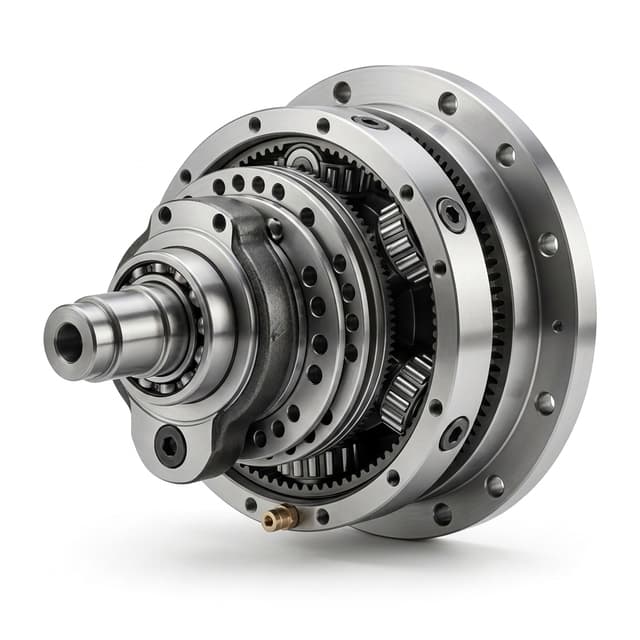
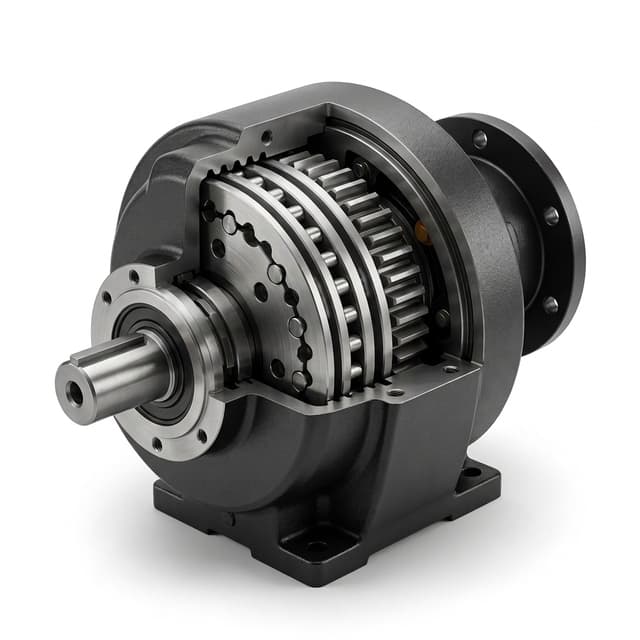
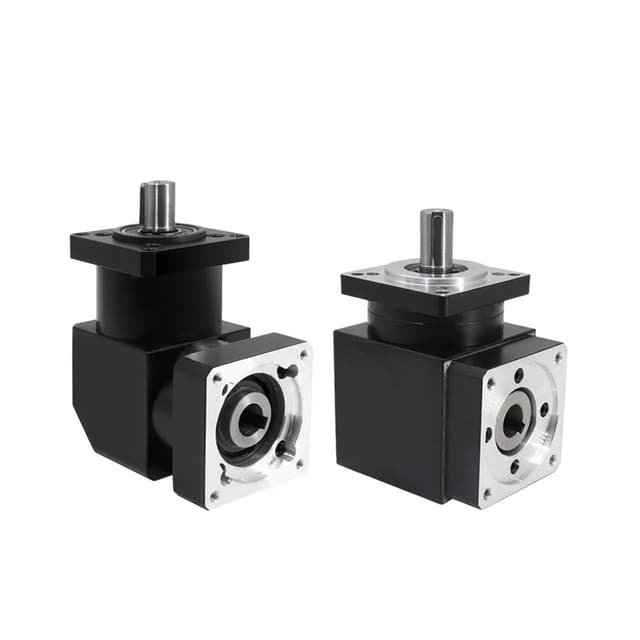
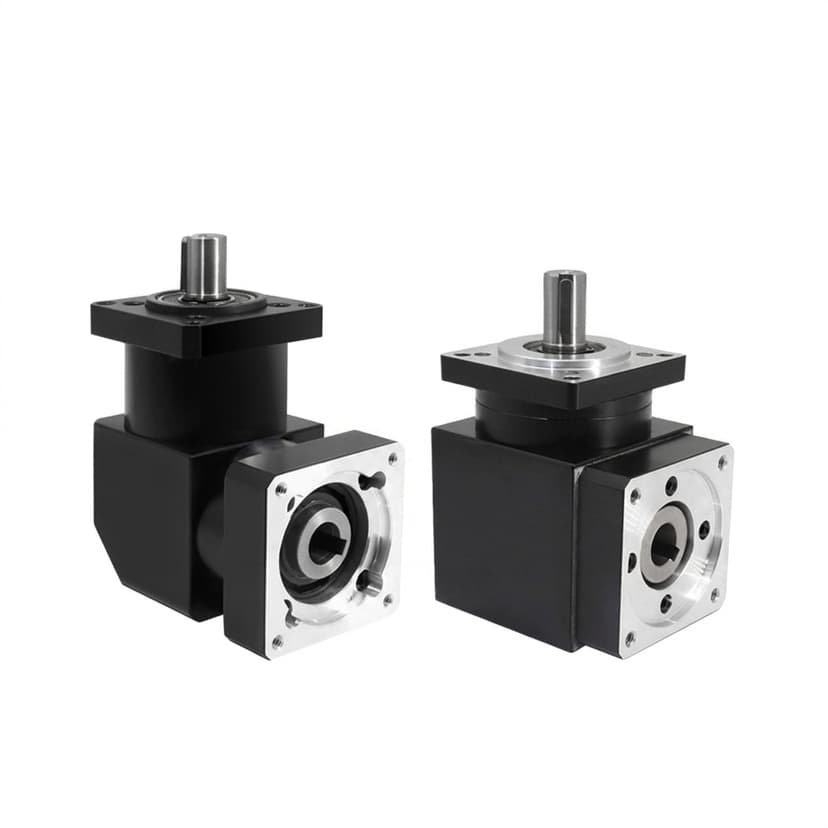
These images support product recognition and envelope review. They are not inspection reports, certificates, or measured test results.
Buyer Review
Tooth profile, pin wheel, eccentric shaft, housing datum, bearing fit, and output interface reviewed as one reducer system.
Artifact to Request
Process photos, CTQ dimension list, approved 2D drawing, CMM or critical-dimension record when available.
Release Status
Requires model-family approval
Buyer Review
Which material route and hardness target apply to this model instead of a generic catalog claim.
Artifact to Request
Material route note, heat-treatment target, hardness inspection field, and sample-lot traceability scope.
Release Status
Do not assume one route for every model
Buyer Review
Backlash method, run-in state, no-load torque, stiffness expectation, noise observation, and smooth low-speed motion.
Artifact to Request
Backlash measurement method, sample acceptance table, no-load torque check, run-in note, and buyer limits.
Release Status
Needs measured sample data
Buyer Review
Envelope, motor pilot, hollow bore, output flange, fastener access, tolerances, and NDA needs before STEP release.
Artifact to Request
Closest reference STEP or PDF, revision note, restricted-drawing release rule, and engineering contact path.
Release Status
Released by engineering check
Buyer Review
Inspection fields, packing method, destination paperwork, batch labeling, sample scope, and repeat-order controls.
Artifact to Request
Outgoing QC checklist, packaging/export record example, batch traceability field, and approved shipping constraints.
Release Status
Align before PO
| Evidence Area | Buyer Review | Artifact to Request | Release Status |
|---|---|---|---|
| Machining route | Tooth profile, pin wheel, eccentric shaft, housing datum, bearing fit, and output interface reviewed as one reducer system. | Process photos, CTQ dimension list, approved 2D drawing, CMM or critical-dimension record when available. | Requires model-family approval |
| Material and heat treatment | Which material route and hardness target apply to this model instead of a generic catalog claim. | Material route note, heat-treatment target, hardness inspection field, and sample-lot traceability scope. | Do not assume one route for every model |
| Backlash and motion check | Backlash method, run-in state, no-load torque, stiffness expectation, noise observation, and smooth low-speed motion. | Backlash measurement method, sample acceptance table, no-load torque check, run-in note, and buyer limits. | Needs measured sample data |
| Drawing and revision control | Envelope, motor pilot, hollow bore, output flange, fastener access, tolerances, and NDA needs before STEP release. | Closest reference STEP or PDF, revision note, restricted-drawing release rule, and engineering contact path. | Released by engineering check |
| Outgoing QC and export pack | Inspection fields, packing method, destination paperwork, batch labeling, sample scope, and repeat-order controls. | Outgoing QC checklist, packaging/export record example, batch traceability field, and approved shipping constraints. | Align before PO |
No certificate or test result should be displayed until approved. Keep the page useful by showing the review path, then attach real evidence during RFQ or after factory approval.
CAD / STEP Data Pack
Use this application package request when your team needs a model file, envelope drawing, or engineering data before committing layout space. We verify the target family, revision, and release constraints first so buyers do not design around the wrong CAD file.
Confirm released model files, closest reference family, and file-release constraints before CAD freeze.
Align motor pilot, output flange, hollow bore, cable route, bolt circle, and axial envelope early.
Request backlash method, run-in note, inspection fields, and sample acceptance data for the selected family.
Inquiry Email
Best for sending NDA terms, drawings, or a specification sheet.
Instant Chat
+8618857971991
Best for quick model availability and file-release checks.
Submit the minimum engineering context needed for model-file screening and revision-safe follow-up.
Application RFQ
Include the machine module, duty profile, ratio, torque, backlash, interface limits, and validation plan so engineering can respond against the real application risk.
Sometimes, but it should be treated as a qualification project. Share the current harmonic model, actuator envelope, torque profile, backlash target, and failure concern so the comparison is based on measured risks rather than ratio alone.
Humanoid knees, elbows, ankles, quadruped legs, exoskeleton axes, and shock-loaded cobot joints are common candidates because impact and emergency-stop loads often drive reducer risk.
Ask for drawing fit review, backlash method, stiffness or deflection assumptions, no-load torque expectations, material and heat-treatment route, inspection records, and a sample acceptance plan.
Program Route
Harmonic Drive Alternative Cycloidal Reducer defines the use-case risk. The next step is to connect it to the reducer family, drawing request, DFM review, and validation records.
Check reducer architecture, model family, envelope class, and CAD availability before the quote is treated as final.
Review the machine or robot axis context so torque, shock, backlash, stiffness, and validation risk stay tied to real use.
Move from fit review into DFM, sample validation, inspection records, packaging, and repeat-order control.
Use these links when the buyer is ready to send requirements, compare directories, or review sourcing guidance.
Inquiry Email
Include ratio, torque, backlash, interface drawings, quantity plan, and destination terms.
Instant Chat
+8618857971991
Use chat for quick routing; drawings and technical details can move to email.