Compact integration to maximize robot payload capacity
Shock-load resistance for dynamic tooling applications
Common Use Cases
Robotic grippers
Welding positioners on robot arms
Automatic tool changers
Custom EOAT mechanisms
Implementation Focus
Minimize reducer weight to preserve primary robot payload.
Evaluate cable routing options (hollow shaft vs solid).
Analyze dynamic shock loads from tool engagement or crashes.
Application Evaluation Matrix
Evaluation Metric
Typical Range
Buyer Relevance
Torque-to-weight ratio
Optimized for minimal payload penalty
Every gram at the end of the arm reduces the effective payload of the primary robot.
Tool engagement shock
Peak event torque from clamping, welding, or impact
EOAT reducers often fail on transient loads that are not visible in average cycle torque.
Application Selection Logic
Decision Point
Choose When
Verify Before Quote
Next Internal Step
Torque-to-weight ratio is the first sourcing filter
Best for robot integrators and EOAT builders needing compact torque at the end of the arm. Use this path when torque-to-weight ratio (Optimized for minimal payload penalty) is more important than starting from a generic gearbox size.
Every gram at the end of the arm reduces the effective payload of the primary robot. Include maximum allowable reducer weight in the first RFQ packet.
Maximum allowable reducer weight; Peak torque during tool engagement. Confirm drawing revision, quantity, destination, and timeline in the same packet.
A quote-ready RFQ sheet that separates required performance from preferred options.
Engineering fit review
Minimize reducer weight to preserve primary robot payload. Evaluate cable routing options (hollow shaft vs solid). Record open issues before sample cost and lead time are frozen.
A reducer shortlist and issue log for EOAT Cycloidal Reducer.
Prototype or incoming validation
Measure torque-to-weight ratio and tool engagement shock against the agreed method. Size the reducer against the emergency stop and impact torque limits, not just the operating torque.
Inspection and test evidence with pass/fail limits, measured values, and revision actions.
Batch control and export readiness
Payload capacity loss: tie the control plan to outgoing inspection, packaging, labeling, and shipment records.
EOAT Cycloidal Reducer: Evidence slots for application validation and replacement review.
Use this pack to compare application risk, sample checks, and factory records before treating a cycloidal reducer as a harmonic-drive alternative or a robot-joint candidate.
Scope
Application evidence path
Source
/solutions/eoat-cycloidal-reducer
Verified visual anchors from the current catalog
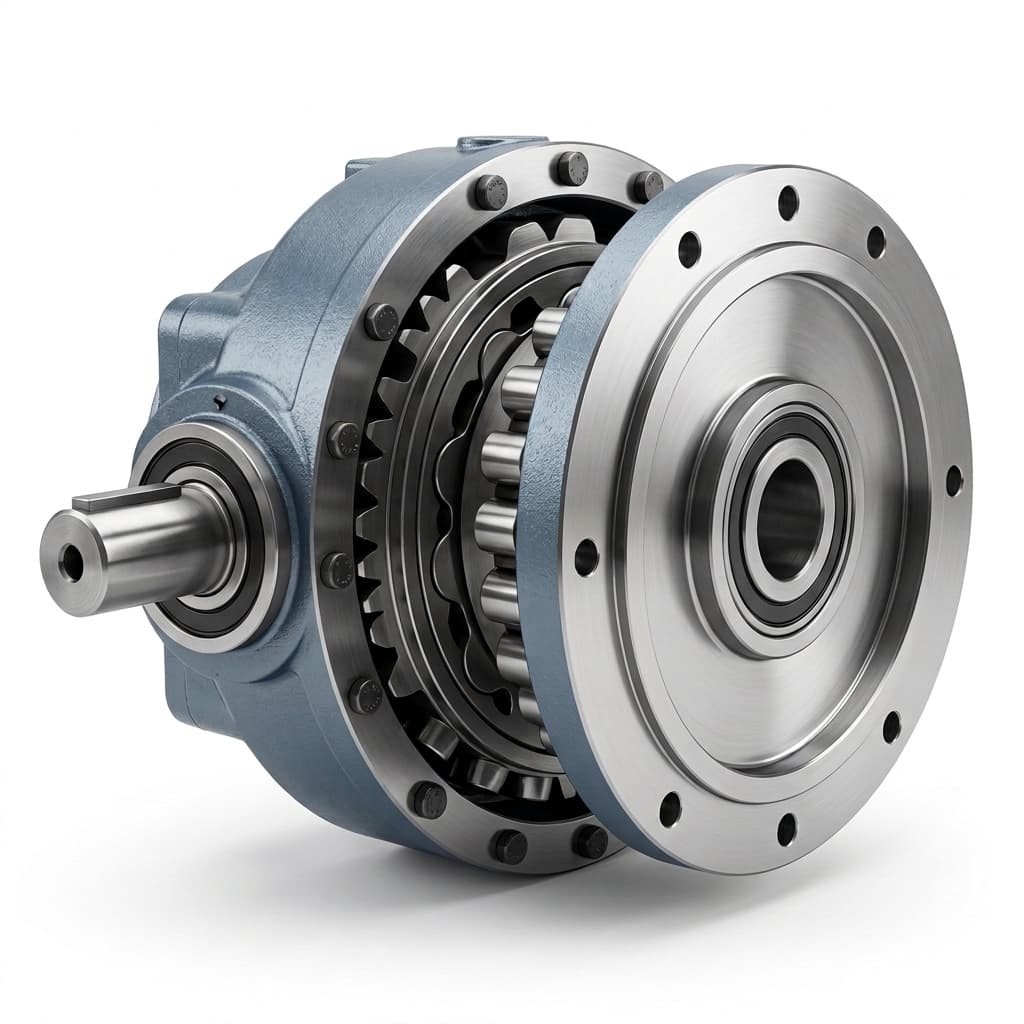
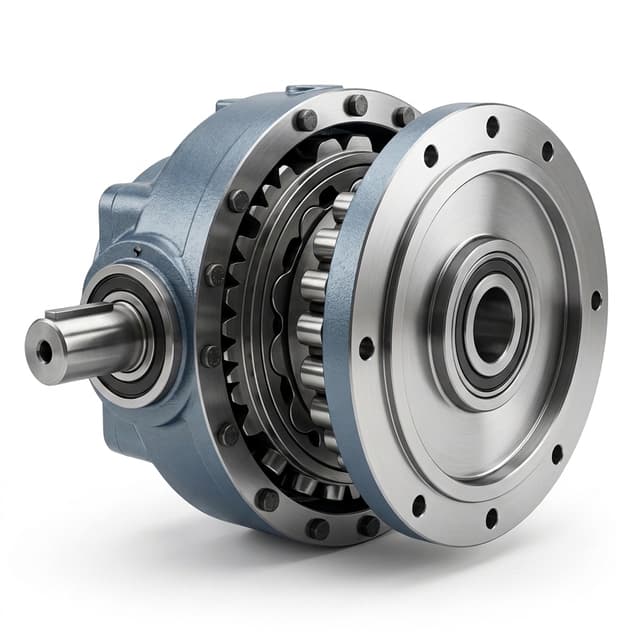
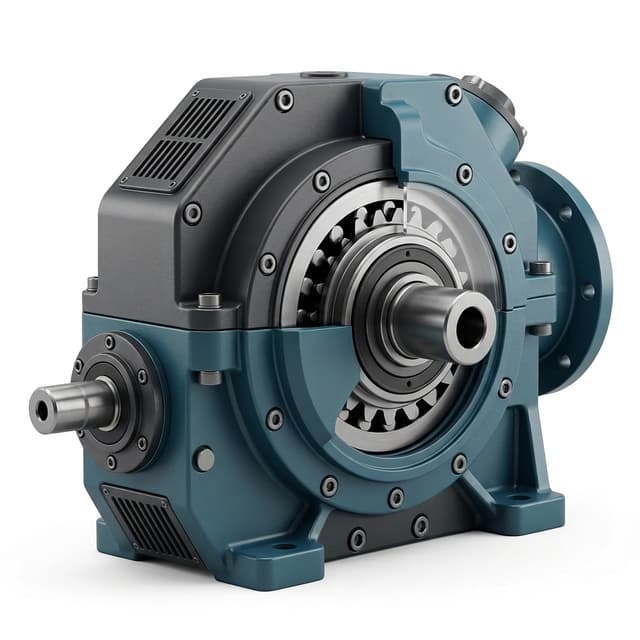
These images support product recognition and envelope review. They are not inspection reports, certificates, or measured test results.
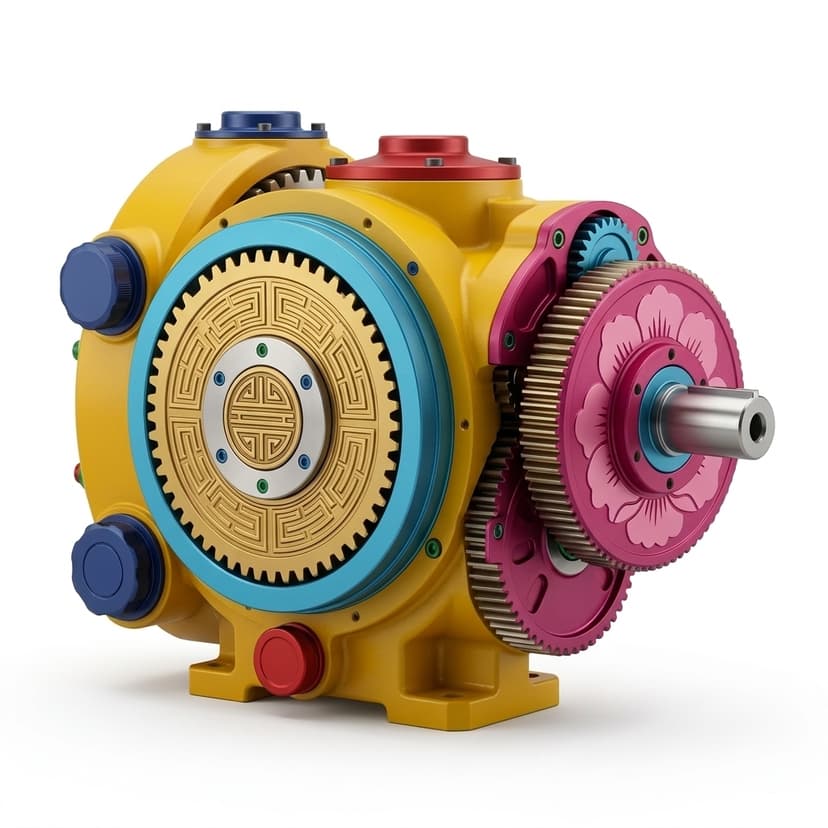
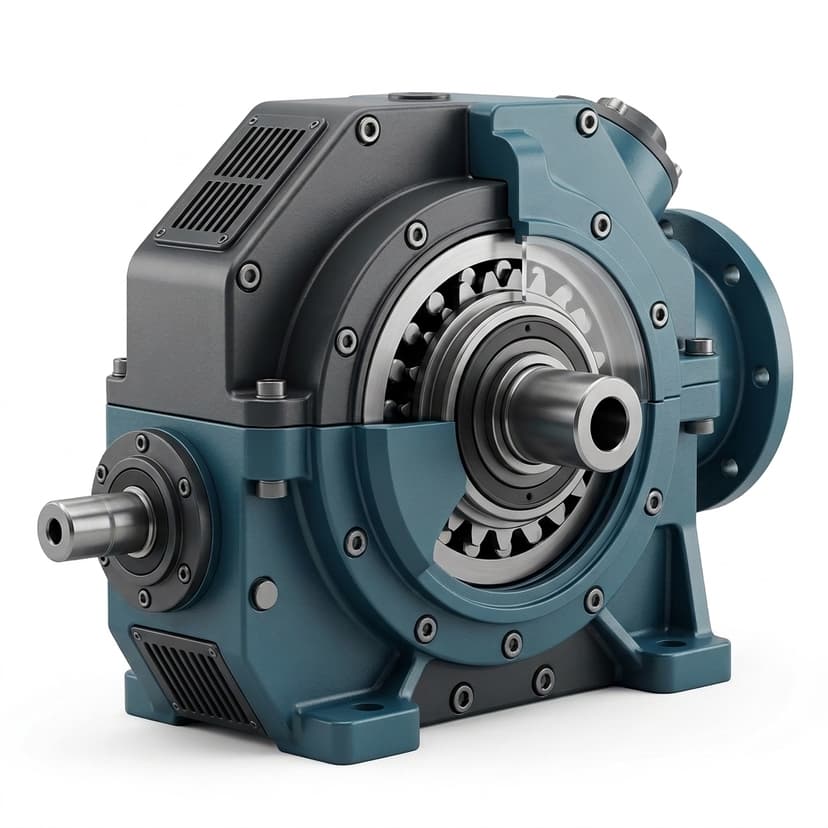
Cycloidal reducer for end-of-arm tooling rotary module
Compact EOAT reducer view for gripper or wrist integration
Reducer product image for robot tooling axis sourcing
Machining route
Buyer Review
Tooth profile, pin wheel, eccentric shaft, housing datum, bearing fit, and output interface reviewed as one reducer system.
Artifact to Request
Process photos, CTQ dimension list, approved 2D drawing, CMM or critical-dimension record when available.
Release Status
Requires model-family approval
Material and heat treatment
Buyer Review
Which material route and hardness target apply to this model instead of a generic catalog claim.
Artifact to Request
Material route note, heat-treatment target, hardness inspection field, and sample-lot traceability scope.
Outgoing QC checklist, packaging/export record example, batch traceability field, and approved shipping constraints.
Align before PO
Evidence boundary
No certificate or test result should be displayed until approved. Keep the page useful by showing the review path, then attach real evidence during RFQ or after factory approval.
Missing evidence queue
Real inspection report or CMM export for the selected model family
Backlash curve, no-load torque result, or stiffness test data from an approved sample
Contact-pattern, run-in, or tooth-profile photos cleared for public use
Certification scans only after the factory confirms the exact certificate scope
Customer application photos only after reuse rights are approved
Process photos: requestableMeasurement records: model-specificCAD / STEP: engineering checked
CAD / STEP Data Pack
Request CAD / STEP availability for EOAT Cycloidal Reducer
Use this application package request when your team needs a model file, envelope drawing, or engineering data before committing layout space. We verify the target family, revision, and release constraints first so buyers do not design around the wrong CAD file.
File release is an engineering check, not an automatic download.
CAD / STEP files are checked against model family, drawing revision, and release scope before sharing.
If a released file is unavailable, engineering can route the request to a 2D envelope, closest reference model, or sample-data pack.
NDA terms, restricted drawings, and buyer-side revision rules should be sent by email so the release path is traceable.
STEP / PDF Availability
Confirm released model files, closest reference family, and file-release constraints before CAD freeze.
Interface Pre-check
Align motor pilot, output flange, hollow bore, cable route, bolt circle, and axial envelope early.
Validation Evidence
Request backlash method, run-in note, inspection fields, and sample acceptance data for the selected family.
Include These Details
Application axis or machine context
Target OD, bore, flange, or envelope drawing
Ratio, rated torque, peak torque, and speed
Backlash or repeatability target
Requested file type: STEP, PDF, 2D envelope, or sample record
Best for quick model availability and file-release checks.
Structured CAD / STEP Request
Submit the minimum engineering context needed for model-file screening and revision-safe follow-up.
RFQ Preparation Checklist
Maximum allowable reducer weight
Peak torque during tool engagement
Available integration envelope
Backlash requirement for tooling precision
Quantity and integration schedule
Risk and Mitigation
Tool crash damage:Size the reducer against the emergency stop and impact torque limits, not just the operating torque.
Payload capacity loss:Compare reducer weight, tool mass, and center of gravity against the robot payload chart.
Application RFQ
Send requirements for EOAT Cycloidal Reducer
Include the machine module, duty profile, ratio, torque, backlash, interface limits, and validation plan so engineering can respond against the real application risk.
Recommended Products
Compact EOAT reducer view for gripper or wrist integration
Reducer product image for robot tooling axis sourcing
Buyer FAQ
Can these be supplied with hollow shafts for air lines?
Yes, hollow bore configurations are commonly used in EOAT to route pneumatics and sensor cables through the center of rotation.
What makes an EOAT reducer quote different?
Weight, center of gravity, cable or air routing, crash torque, and tool-change envelope matter as much as nominal torque.
Program Route
Move from application risk to product and OEM execution.
EOAT Cycloidal Reducer defines the use-case risk. The next step is to connect it to the reducer family, drawing request, DFM review, and validation records.